
What We Do Differently: Transforming a Belgravia Smart Home
Smart homes can be complicated.
The homeowner should never have to know that.
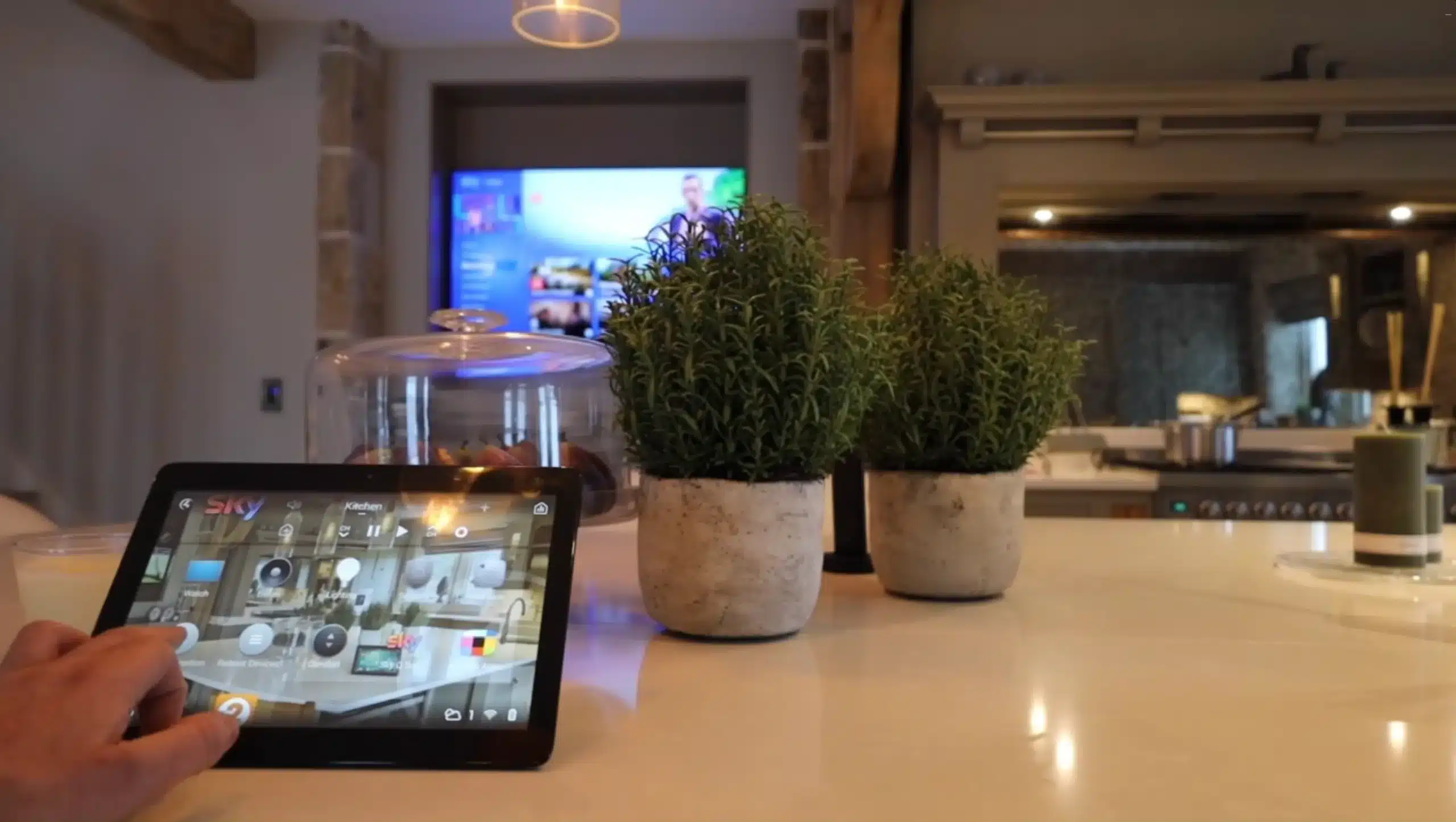
That principle sits behind much of what we do at Inspire Audio Visual. A well-designed smart home may contain networking equipment, lighting controllers, AV distribution, televisions, wireless access points and automation systems all working together behind the scenes.
But for the homeowner — or a guest staying in the property — using it should be straightforward.
We were recently asked to review the technology within a multi-million-pound apartment in Belgravia, London after the owners had experienced a number of smaller but persistent problems with the lighting, televisions and network.
What we found is a good example of the difference between technology that has simply accumulated over time and a smart-home system that has been properly engineered, documented and supported.
What we inherited
At first glance, much of the system worked.
But looking behind the scenes revealed several problems.
The communications rack contained a mixture of network equipment and associated hardware, with cabling running across the front of the rack.
Labelling was limited, making it difficult for an engineer attending the property to immediately understand what equipment served which part of the home.
That creates a larger problem than appearance alone.
If several engineers support a property over a number of years, the system needs to be understandable to everyone who works on it.
Without good documentation and labelling, every visit risks becoming another investigation into what previous engineers have changed.
We were also seeing equipment within the existing infrastructure contributing to network reliability issues.
For a modern smart home, that matters enormously.
Lighting, televisions, streaming services, automation processors and mobile devices are increasingly dependent on the network underneath them.
A smart-home system can only be as reliable as the infrastructure supporting it.
Lighting had evolved rather than been designed
The lighting control system told a similar story.
Different styles of switch had been installed throughout the property, creating an inconsistent appearance and user experience.
Some of the controls were battery operated and had become intermittent.
There was also no structured maintenance programme or comprehensive record of the changes that had been made to the system over time.
Behind the switches, the lighting equipment was electrically safe, but the organisation and finish didn't reflect the standard we would expect within a property of this level.
This wasn't a question of replacing technology simply because it was old.
The objective was to create something that would be more reliable, easier to understand and considerably easier to support in the future.
o smart-home project in Chelsea or this Prime Central London smart-home installation.


Rebuilding the network properly
The first step was to reorganise the communications rack and network infrastructure.
The cabling was tidied and appropriately routed.
Equipment was clearly identified.
Connections were labelled.
The network architecture was documented.
The result is a rack that another Inspire engineer can attend in the future and immediately understand.
That might sound like a small detail, but it changes the way a system can be supported.
Instead of spending the beginning of every visit working out how the system has been assembled, the engineer can concentrate on the issue the client actually called about.
More importantly, the network can now be managed remotely by our team.
This allows us to investigate connectivity problems, check equipment status and remotely reboot certain devices without automatically needing to send an engineer to the property.
In many cases, that means an issue can be resolved before a site visit is even required.
This approach to remote support is also an important part of the Control4 systems we install, upgrade and take over, where network health and long-term system management are critical to reliability.
A professional lighting solution from Rako
The existing lighting controls were replaced with a professionally designed Rako lighting control system.
Rather than simply replacing one switch with another, we looked at how the client actually uses each room.
The front-end controls were then finished using Corston toggle switches, with individual functions professionally engraved.
This gave the apartment a much more consistent appearance while retaining the traditional aesthetic that suited the interior.
But the bigger improvement is usability.
Instead of switches whose function isn't immediately obvious, controls can now be clearly identified.
Scenes allow several lighting circuits to work together rather than requiring the homeowner to adjust multiple lights individually.
A room might therefore offer simple choices such as:
Home. Away. Stairs. Hallway.
Behind those simple controls, the lighting system may be doing considerably more.
That distinction is important.
We've used the same principle of scene-based lighting control within other high-end London smart homes, where intuitive controls and the quality of the interior finish are just as important as the technology behind them.
Complexity belongs behind the wall
There is a temptation with smart homes to demonstrate how clever the technology is.
We generally take the opposite approach.
The clever part should happen in the background.
A homeowner shouldn't require a manual to turn the lights on.
Guests shouldn't be frightened to press a switch because they don't know what it will do.
And watching television shouldn't require somebody to understand which amplifier, network switch or HDMI device is involved.
The technology underneath can be complicated. The experience shouldn't be.
That principle guided the changes throughout this apartment.
Designed to be maintained
One of the biggest differences between a one-off smart-home installation and a professionally managed system is what happens after the engineers leave.
Technology changes.
Internet providers change equipment.
Firmware updates are released.
Televisions and streaming devices are replaced.
New equipment is added.
Problems will occasionally occur.
That is why documentation, remote management and maintenance are part of the system rather than an afterthought.
The equipment within this property is now organised and labelled so that any member of our engineering team can understand it.
We also maintain a record of the system and the changes made to it.
For the client, that means there is a company taking responsibility for the technology rather than simply a collection of individual products installed around the property.
The client's reaction
The most important result isn't how much tidier the equipment rack looks.
It is whether the home is better to live with.
The client's response after completing the upgrade summed that up particularly well:
“I love the update. We'd been having lots of small issues for years with the lighting and TVs. Inspire have not only addressed these, but also provided a solution that looks much more attractive, gives us far better control of the lighting scenes within each room, and means guests are no longer scared to press a button.”
That final point is probably the best measure of the project.
The system became more sophisticated behind the scenes while becoming simpler for the people actually using it.
What we do differently
For us, smart-home integration isn't simply about installing Control4, Rako, networking equipment or another piece of technology.
It is about understanding how all of those systems interact.
It means thinking about:
- how the system will be supported five years from now;
- whether another engineer can understand the installation;
- whether the network can be diagnosed remotely;
- whether controls make sense to someone visiting the property for the first time;
- whether future equipment can be incorporated easily; and
- whether the standard of the hidden installation matches the standard of the finished home.
This approach runs throughout Inspire Audio Visual. The same team designs, engineers, installs and supports the technology rather than leaving the homeowner to coordinate several disconnected contractors when something needs attention.
Good smart-home engineering is often invisible.
But when it is done properly, the homeowner notices the difference every day.
Planning a smart-home upgrade?
Inspire Audio Visual designs, installs, upgrades and supports smart-home systems across London and throughout the UK.
Whether you're planning a new Control4 smart home, taking over an existing installation, improving your home network, replacing an unreliable lighting control system or simply want someone to take long-term responsibility for your technology, our team can assess the existing installation and recommend the best way forward.
Related projects
You may also be interested in our Control4 and Rako smart-home project in Chelsea or this Prime Central London smart-home installation.
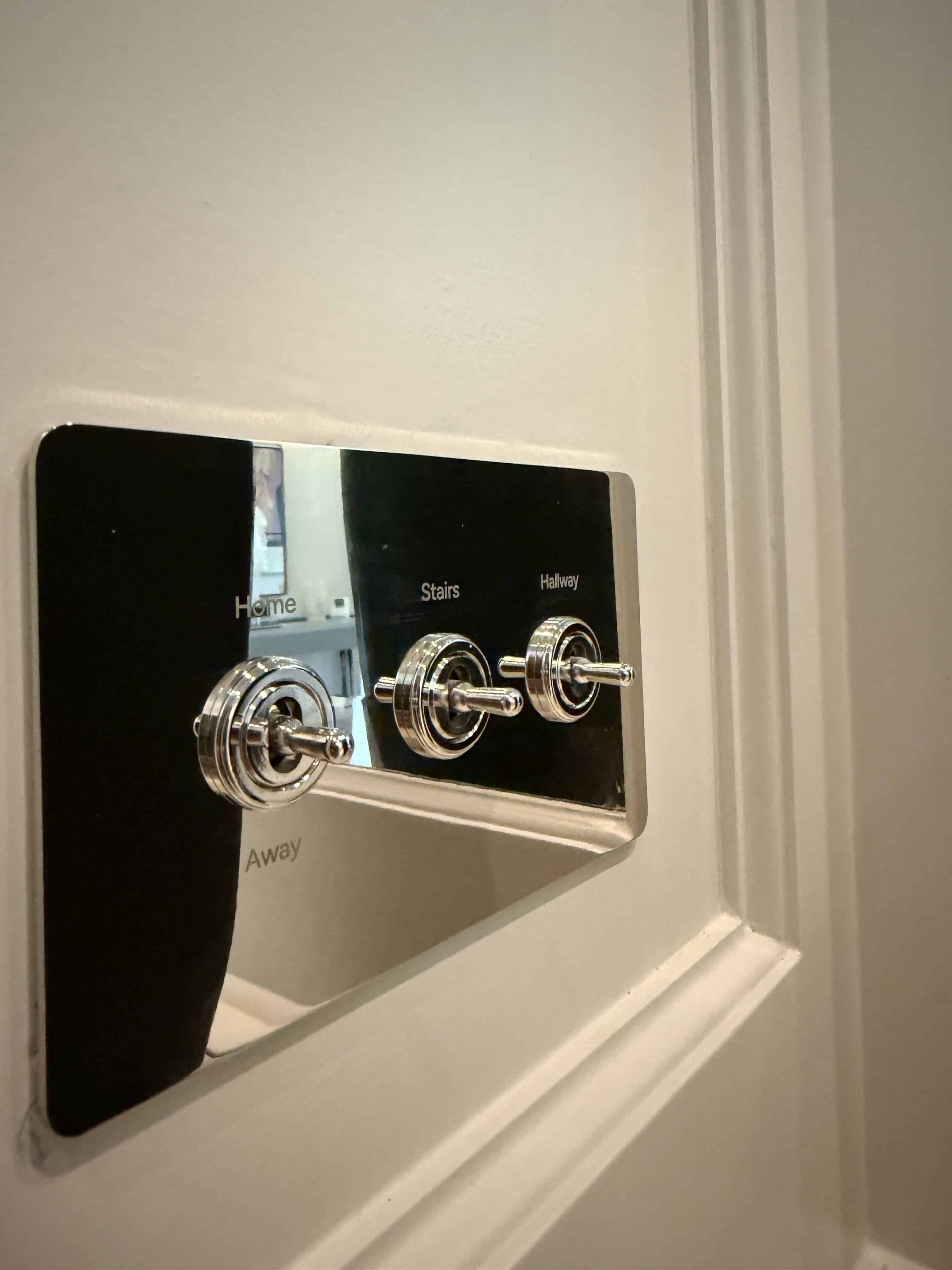
Photo 13-05-2026, 12 26 45
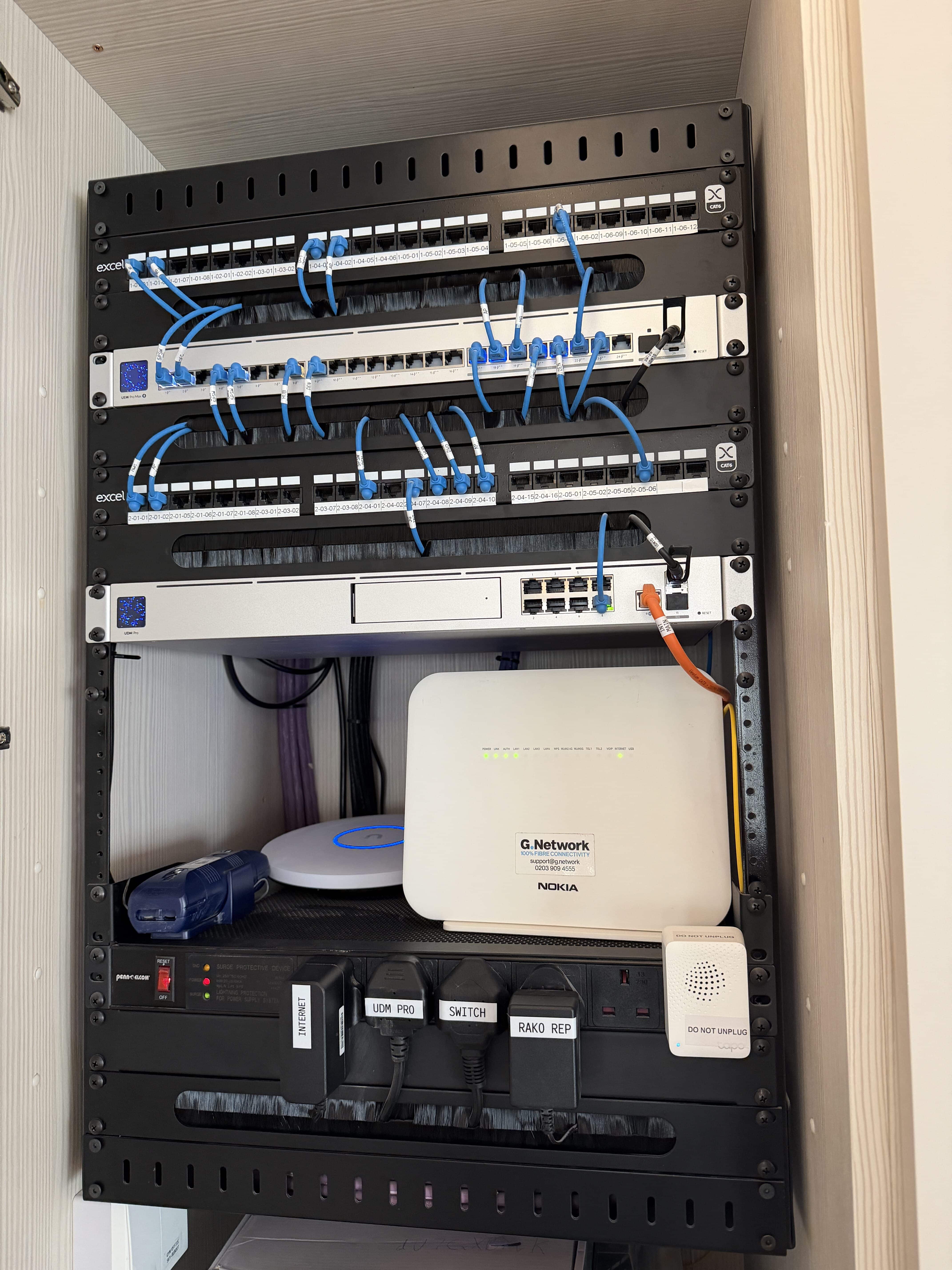
Photo 13-05-2026, 12 02 43
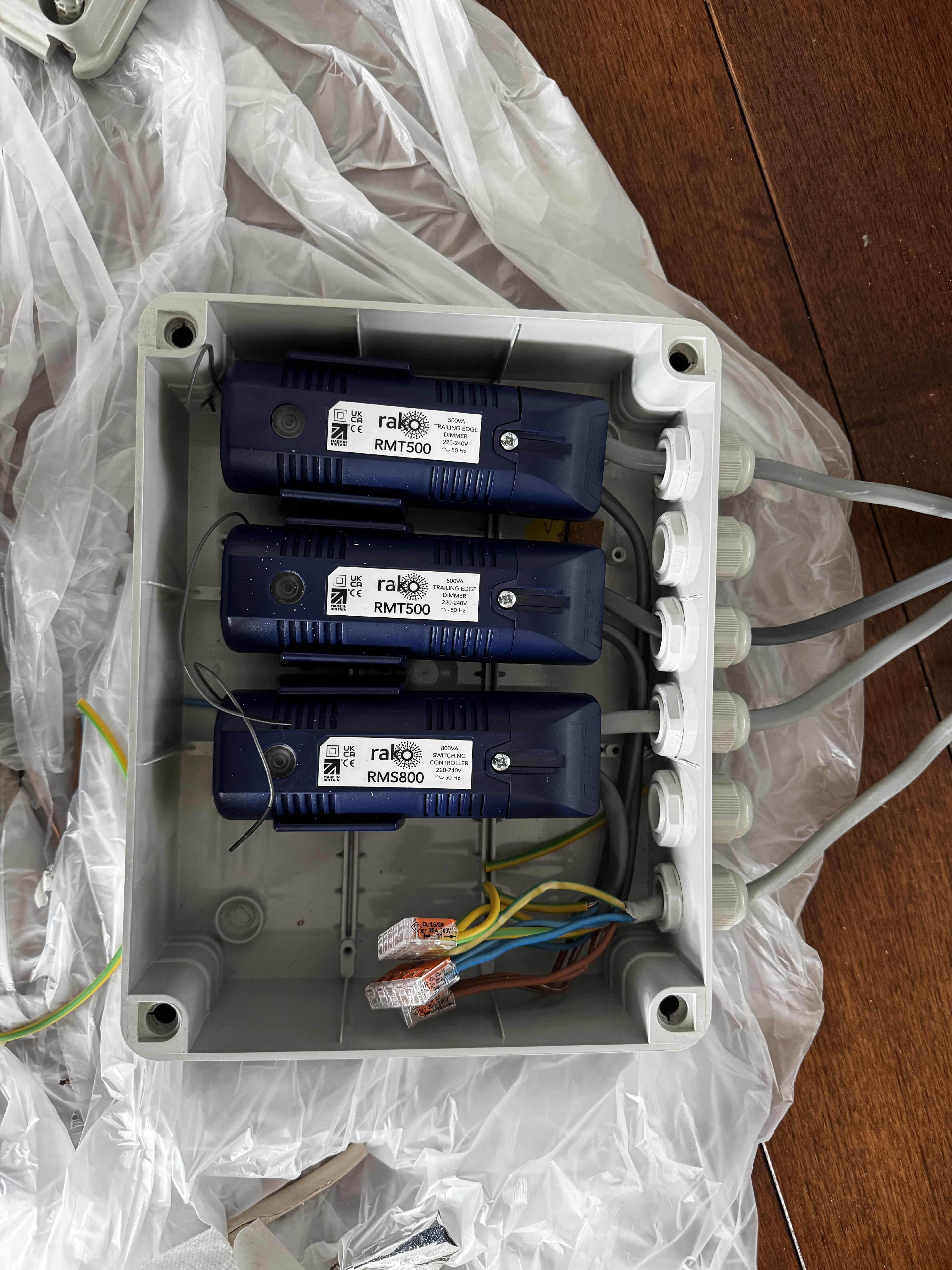
Photo 13-04-2026, 13 21 03
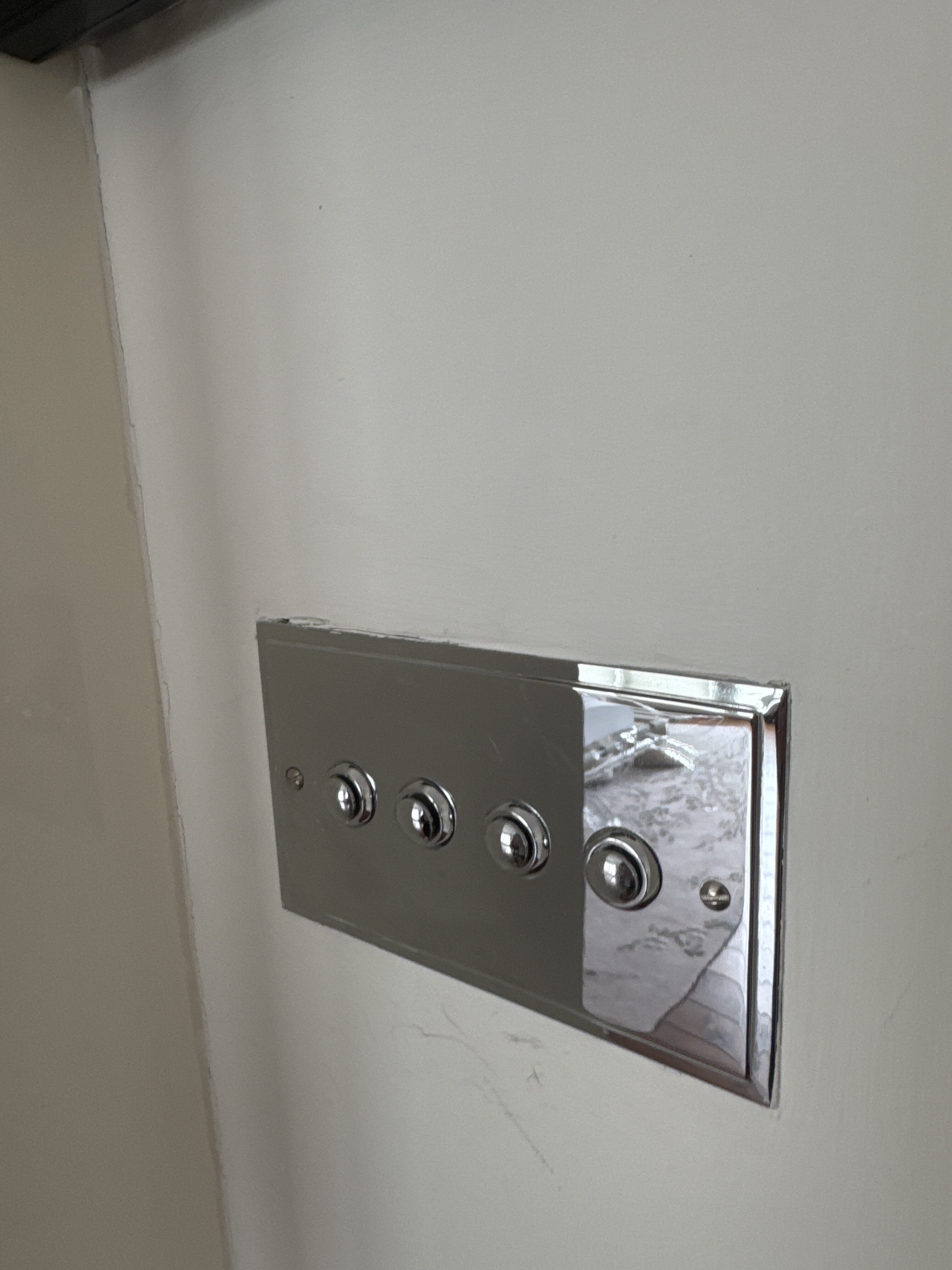
Photo 03-03-2026, 12 15 15
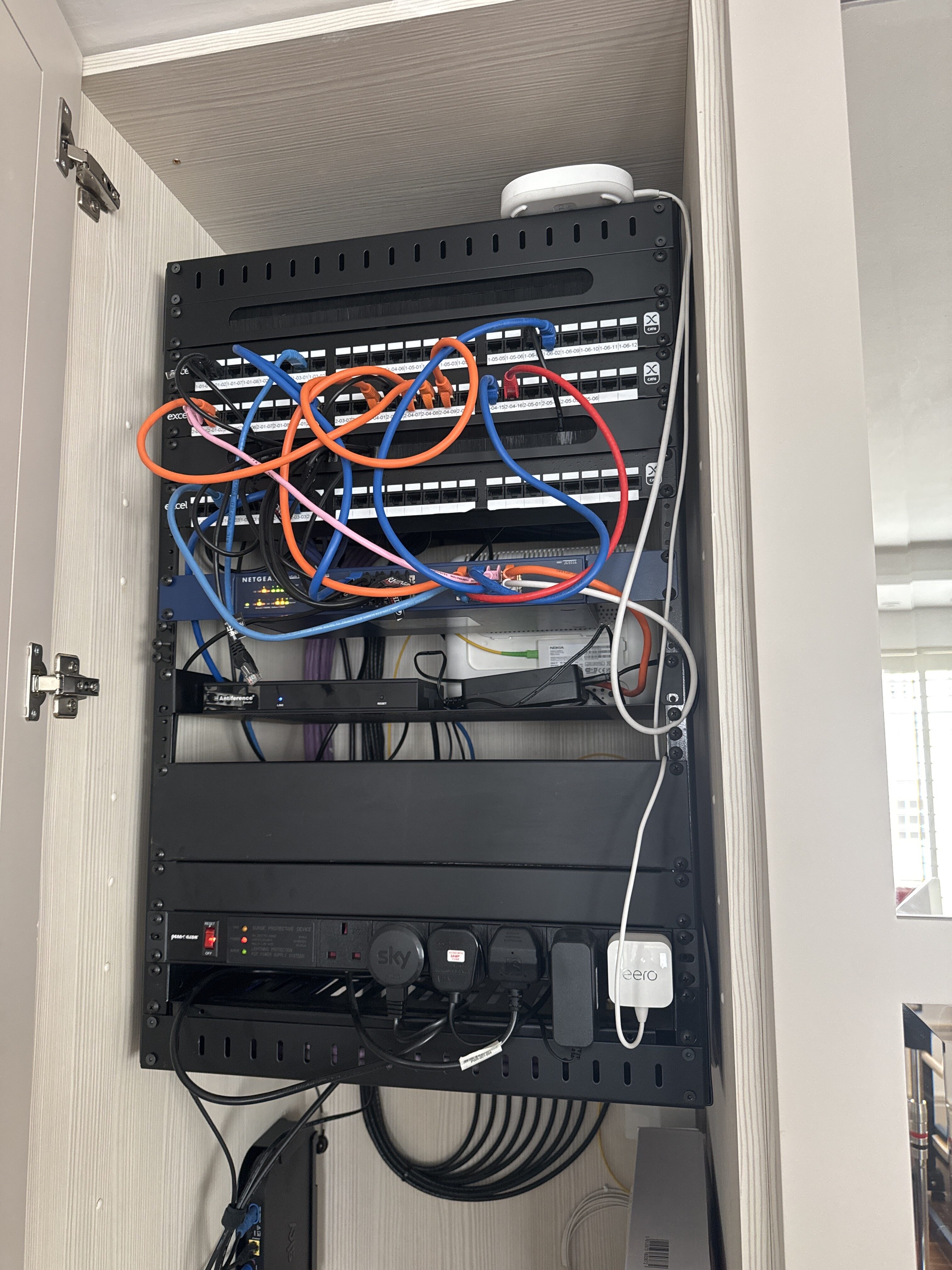
Photo 03-03-2026, 12 04 24
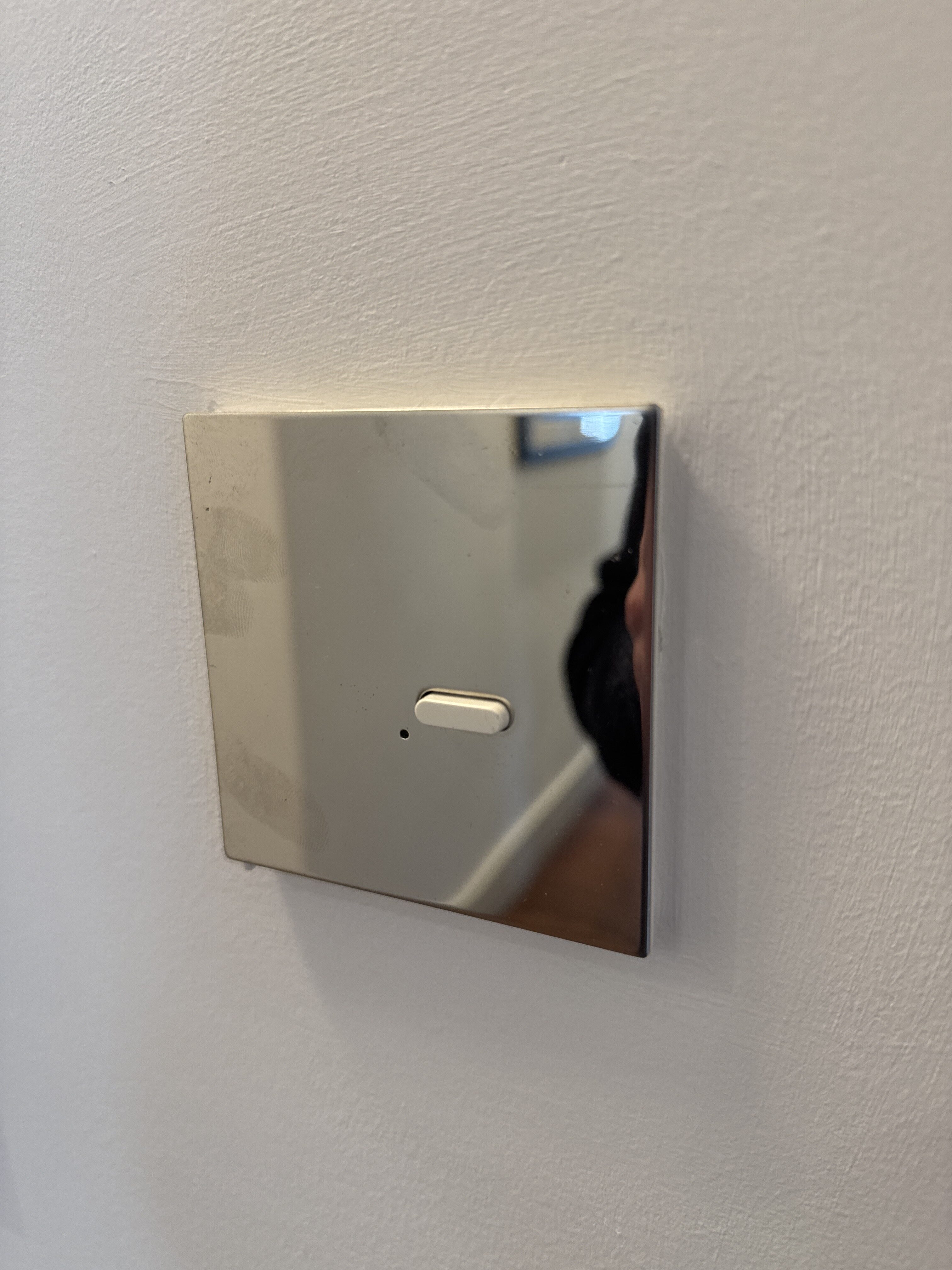
Photo 03-03-2026, 12 00 56
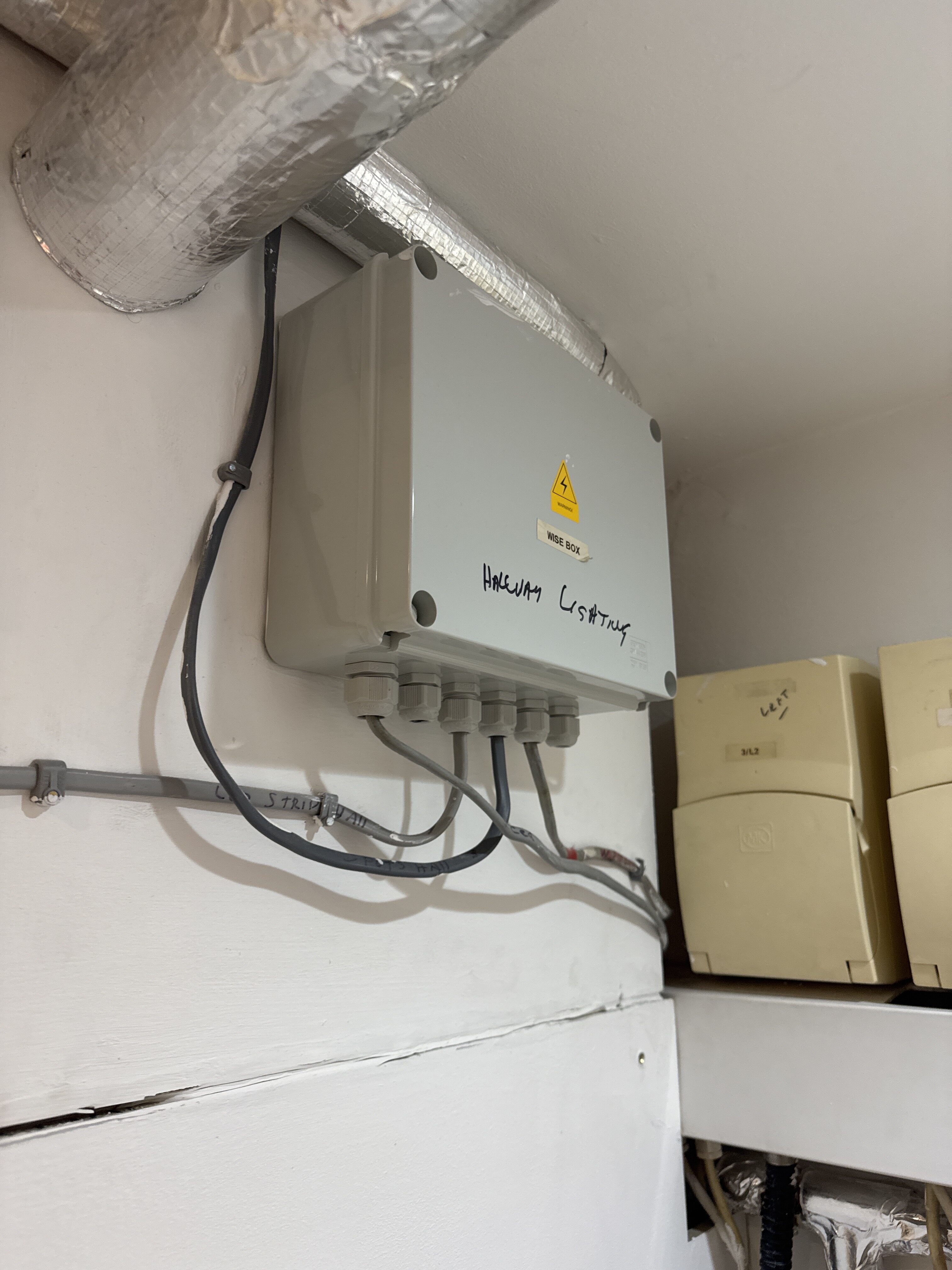
Photo 03-03-2026, 12 00 24
Relatedposts
Keep
Reading
Planning a project?
Bring us into the conversation early and we can help you protect the design, avoid technical compromises and give the client a better finished experience.
- Book A Consultation
- inspireme@inspire-av.com